Stay connected with Isabel

Receive gentle updates and insights from us.
Thank you! Your submission has been received!
Oops! Something went wrong while submitting the form.

What EMDR Really Feels Like (And What It Isn’t)

Strategies to improve user experience on your CMS-based website, focusing on design and functionality.

EMDR
Trauma
Written By
Isabel Feibert

Many people imagine EMDR therapy as intense, overwhelming, or focused on reliving trauma in vivid detail. In reality, EMDR is not about forcing yourself to rehash painful memories or talk through them over and over again.

EMDR is a carefully paced, collaborative process guided by your therapist, with a strong emphasis on safety, grounding, and consent. You are always in control of the process.

During EMDR, emotions, body sensations, thoughts, or images may arise. What often surprises clients is that these experiences tend to shift on their own. You are not trying to make anything happen. Your brain is doing what it naturally knows how to do when given the right conditions.

Over time, many people notice that memories feel less vivid, emotional reactions soften, and new perspectives emerge. The memory may still exist, but it no longer carries the same charge. It feels more distant, more neutral, or easier to hold with compassion.

EMDR and the Body

One of the most important aspects of EMDR is that it recognizes trauma as something stored not only in thoughts, but also in the body and nervous system.

Trauma often shows up as physical or automatic responses: tightness in the chest, a racing heart, nausea, panic, numbness, shutdown, or emotional flooding that feels impossible to control with logic alone. EMDR works with sensations, emotions, and beliefs together, helping the entire system move toward regulation and balance.

Rather than asking you to think your way out of distress, EMDR allows the nervous system to complete unfinished processing so your body no longer reacts as if the danger is still happening.

What to Expect in EMDR Therapy

EMDR follows a structured, research-based framework, but it is always tailored to you.

Before any memory processing begins, your therapist will spend time getting to know you, building trust, and helping you develop grounding and regulation tools. Processing only starts when you feel ready, supported, and resourced.

Each EMDR journey looks different. Some people work on a specific event, while others focus on long-standing patterns, relationships, or beliefs that have shaped how they see themselves and the world. There is no right or wrong way for EMDR to unfold.

Is EMDR Right for You?

EMDR can be a powerful option if you feel stuck, easily triggered, or held back by past experiences despite your best efforts to move forward. It can be used on its own or alongside other therapeutic approaches.

If you are curious about EMDR, the best next step is a conversation with an EMDR-trained therapist who can help you determine whether it feels like a good fit.

Healing does not mean forgetting the past.
It means allowing the past to become something you remember, rather than something you continue to live.

Curious how evidence-informed care could support your recovery?

Explore personalized chiropractic and manual therapy at Alera, where care is guided by understanding, not assumptions.

Close-up of a woman in a green dress holding a purple amethyst crystal cluster with both hands.

Recently published

Relationships

Why Do I Keep Doing This in Relationships? A Deep Dive Into Attachment Styles and Why They Matter

The patterns that confuse you most often make perfect sense once you understand where they started.

April 11, 2026
Isabel Feibert
April 12, 2026
EMDR

When the Past Still Feels Present: How EMDR Therapy Helps

Some experiences do not fade on their own. EMDR helps your brain finally finish processing them.

April 11, 2026
Isabel Feibert
April 12, 2026
Relationships

Why Your Brain Keeps Leading You Back to Toxic Relationships - And Why It's Not Your Fault

The neuroscience behind one of the most painful and misunderstood patterns in human experience

April 11, 2026
Isabel Feibert
March 6, 2026

Stay connected
with Isabel

Receive gentle updates and insights from us.
Thank you! Your submission has been received!
Oops! Something went wrong while submitting the form.

Follow us @therapywithisabel_

Illustration of a human brain above the text 'Why your brain keeps leading you back to toxic relationships... and why it might not be your fault' on a beige background.
Person sitting with a laptop on their lap, wearing a white tank top and white pants, with a necklace and tattoos visible, with overlaid text about internal dialogue and shame.
Ocean water with text saying, 'Most of the beliefs you carry about yourself didn’t start with you. So where did they come from?'
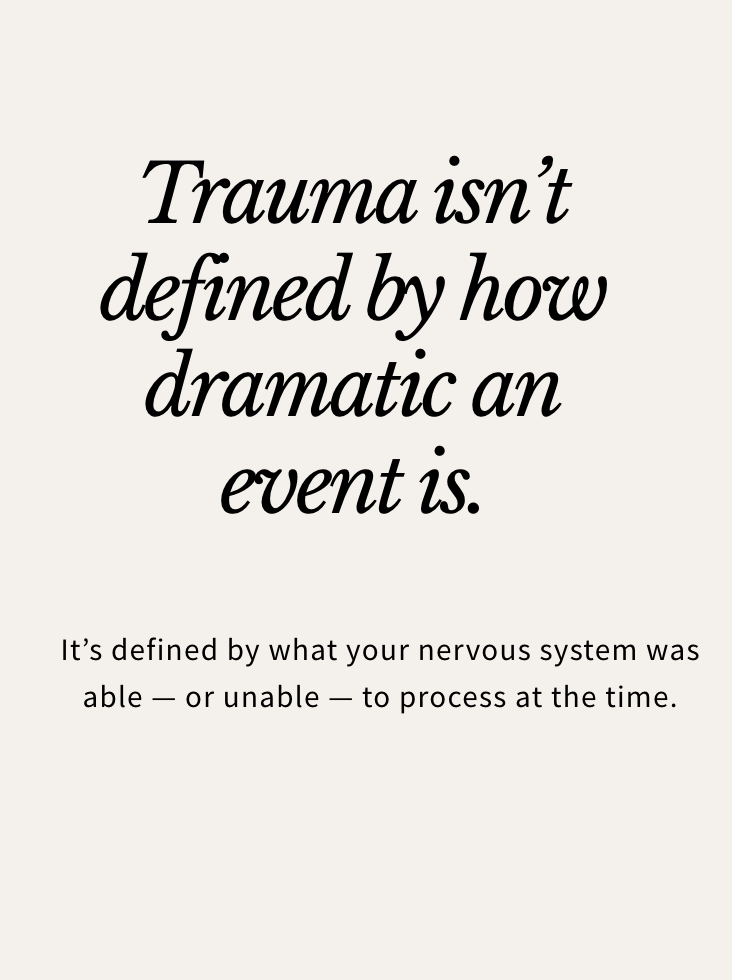
Text stating trauma isn't defined by how dramatic an event is, but by what the nervous system was able or unable to process at the time.
Ocean water with text saying, 'Most of the beliefs you carry about yourself didn’t start with you. So where did they come from?'
Illustration of a human brain above the text 'Why your brain keeps leading you back to toxic relationships... and why it might not be your fault' on a beige background.
Text stating trauma isn't defined by how dramatic an event is, but by what the nervous system was able or unable to process at the time.
Person sitting with a laptop on their lap, wearing a white tank top and white pants, with a necklace and tattoos visible, with overlaid text about internal dialogue and shame.
Illustration of a human brain above the text 'Why your brain keeps leading you back to toxic relationships... and why it might not be your fault' on a beige background.
Text stating trauma isn't defined by how dramatic an event is, but by what the nervous system was able or unable to process at the time.
Ocean water with text saying, 'Most of the beliefs you carry about yourself didn’t start with you. So where did they come from?'